
Yes, toffee is basically a type of caramel, but there are key differences that set them apart.
Both toffee and caramel are made from sugar, but the main distinction lies in the cooking process and additional ingredients used in toffee, which typically includes butter and is cooked until it reaches a higher temperature than caramel.
As a result, toffee has a firmer texture and a more complex flavor profile compared to the softer and more buttery consistency of caramel.
Toffee is often made by heating sugar and butter together, which gives it that distinct deliciously rich, hard candy-like quality.
In contrast, caramel is usually prepared by heating sugar alone until it melts and turns golden brown, often resulting in a chewier texture.
Understanding these differences can enhance your culinary creations and help you select the right ingredient for your desserts.
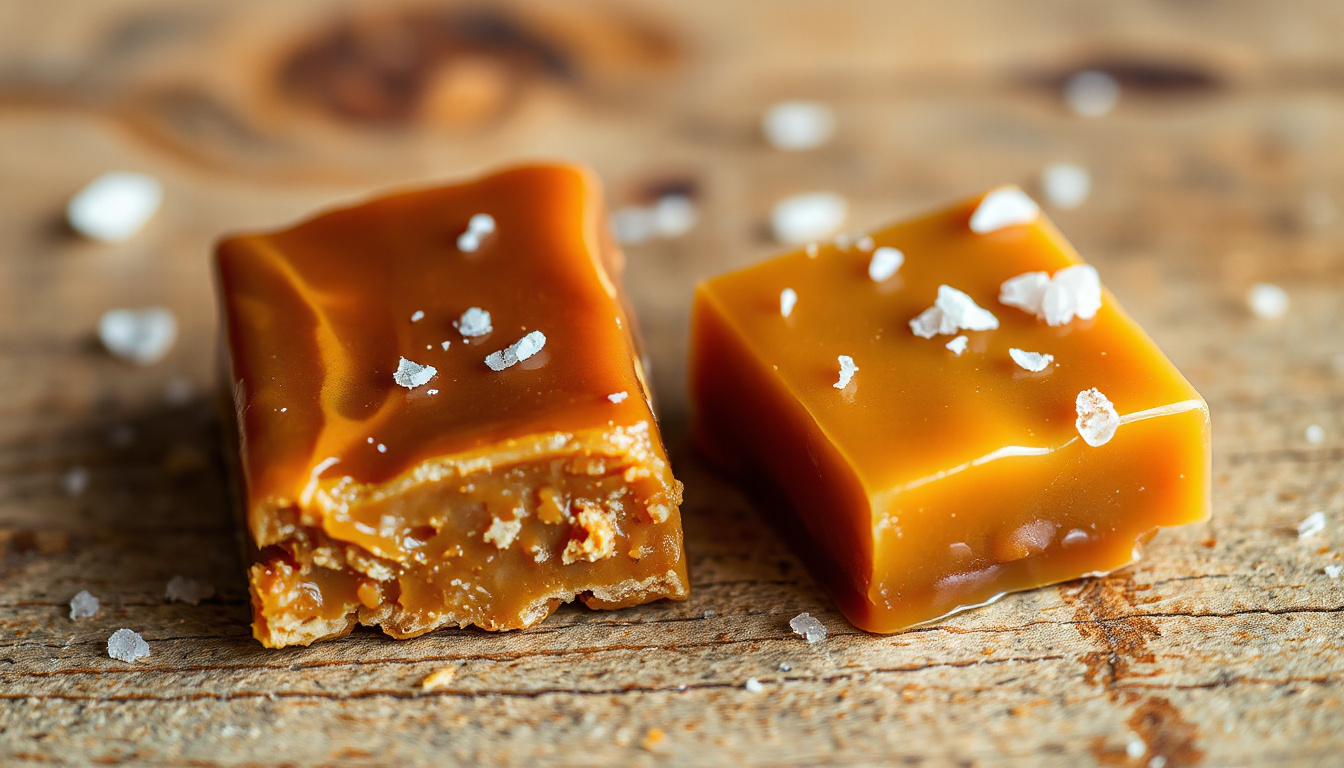
Key Takeaways
- Toffee and caramel share similar ingredients but differ in cooking temperatures and techniques.
- Toffee has its roots in British culinary history, while caramel has a broader European origin.
- Texture differences arise from toffee's firmer, crunchier consistency compared to caramel's smooth, soft texture.
- Flavor profiles distinguish these confections, with toffee often featuring a richer, buttery taste.
- Both toffee and caramel play versatile roles in desserts, enhancing flavors and textures in various recipes.
Understanding Caramel: Ingredients and Process
To answer the question, yes, toffee is essentially a type of caramel, though there are key differences in their preparation and texture.
Both toffee and caramel are made by cooking sugar, but toffee is cooked to a higher temperature, which gives it a firmer texture and a more pronounced, slightly bitter flavor.
While caramel typically combines sugar, butter, and cream, toffee replaces the cream with a higher ratio of butter and is usually cooked to the hard crack stage (about 300°F), whereas caramel reaches a soft ball stage (around 240°F).
This process results in the characteristic crunch of toffee compared to the smoothness of caramel.
The Origin of Toffee: A Historical Perspective
Yes, toffee is essentially a type of caramel, but there are distinct differences between the two.
Both confections start with sugar and involve heating it to create a sweet treat; however, toffee is cooked to a higher temperature than caramel, giving it a firmer texture and a deeper flavor.
In fact, toffee typically contains butter, which contributes to its rich, chewy consistency.
To understand the nuances further, let’s dive into their preparation processes.
Caramel is made by melting sugar until it liquefies and turns golden brown, then adding cream or milk, which results in a smooth, pourable sauce.
In contrast, toffee is prepared by boiling sugar and butter together until it reaches the hard crack stage (around 300°F or 150°C), resulting in a candy that hardens upon cooling.
Popular varieties of toffee, such as English toffee, often include nuts or chocolate coatings, emphasizing its chewy texture.
### The Historical Roots of Toffee Toffee's history dates back to the 19th century, primarily in England, where it gained popularity as a sweet treat enjoyed by the masses.
It is believed to have evolved alongside toffee's cousin, caramel, during a time when sugar was becoming more accessible to the general public.
As its popularity soared, so did the variations in recipes, leading to regional specialties and creative combinations.
### Variants and Uses Toffee comes in various forms, including buttery toffee, nutty toffee, and chocolate-covered toffee.
Chewy toffees are made by adding glucose or corn syrup to the sugar mix, which increases moisture retention.
Many people enjoy toffee as a standalone treat, while others use it as a delectable topping for desserts like ice cream or as an ingredient in brownies and cookies.
### FAQs Q: Can I make toffee at home? A: Absolutely!
Toffee can be easily made at home using sugar, butter, and water, following a simple boiling process until it reaches the desired color and hardness.
Q: Is toffee gluten-free? A: Yes, traditional toffee recipes are gluten-free, as they typically use sugar, butter, and flavorings without any wheat-based ingredients.
### Key Takeaway In summary, while toffee and caramel share a common base in sugar, their preparation methods result in distinct textures and flavors.
Understanding these differences is essential for any aspiring confectioner or sweets enthusiast.
'Life is uncertain. Eat dessert first.' - Ernestine Ulmer
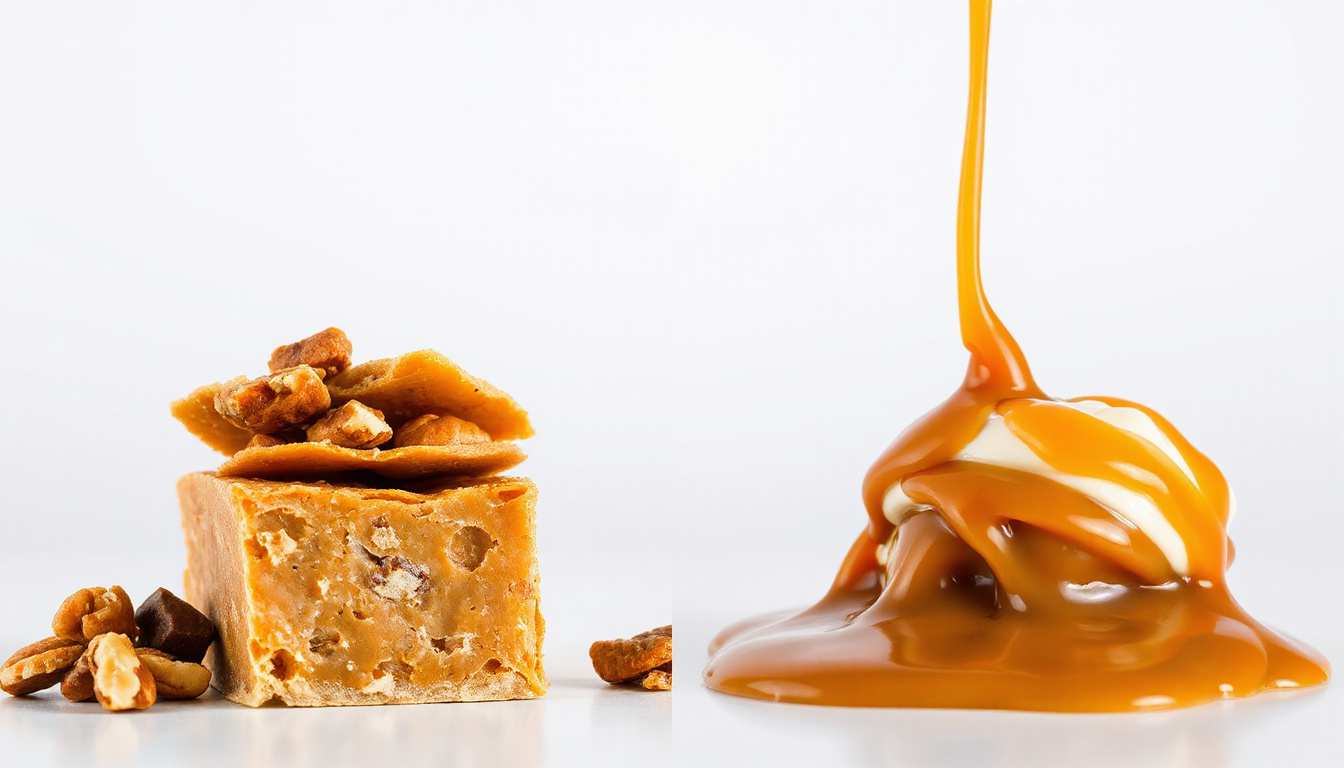
Comparative Analysis: Toffee vs. Caramel
Yes, toffee is essentially a type of caramel, but there are distinct differences that set them apart.
Both toffee and caramel are made from sugar, but the key difference lies in their preparation methods and ingredients.
Toffee is created by cooking sugar to a higher temperature (usually between 300-350°F or 150-180°C) which causes it to harden when cooled, resulting in its characteristic crunchy texture.
Caramel, on the other hand, is made by cooking sugar to a lower temperature (around 240-250°F or 115-120°C) and often includes cream or butter, producing a smooth, chewy consistency.
Texture and Flavor Profiles: What Sets Them Apart?
Yes, toffee is essentially a type of caramel, but there are key differences that set them apart in terms of texture and flavor profiles.
Both toffee and caramel are made from sugar but the cooking methods and additional ingredients distinguish them.
Toffee is prepared by cooking sugar to a higher temperature until it reaches the hard crack stage, typically around 300°F (149°C), often with butter, which gives it a firmer texture and a rich, nutty flavor.
In contrast, caramel is cooked to a lower temperature, usually between 220°F to 245°F (104°C to 118°C), resulting in a gooey, chewy consistency and a lighter, sweeter taste due to the incorporation of cream or milk.
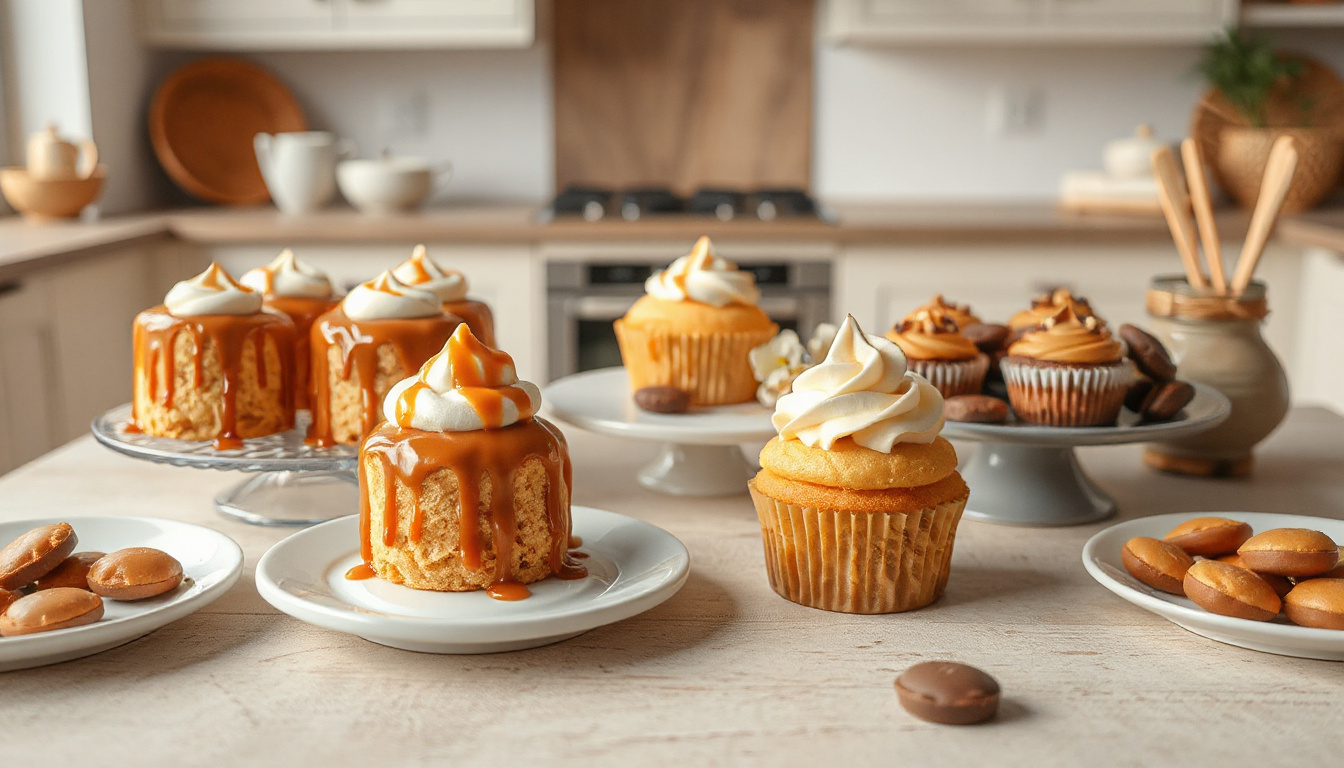
Culinary Uses and Recipes: Incorporating Toffee and Caramel Into Desserts
Yes, toffee is essentially a type of caramel, but with some key differences in the cooking process and texture.
Both toffee and caramel are made from sugar, but toffee is typically cooked to a higher temperature, resulting in its hard and crunchy texture, while caramel is generally cooked to a lower temperature, resulting in a softer, chewy consistency.
This distinction makes toffee perfect for breaking into pieces, while caramel is often used as a sauce or filling.
When incorporating these delectable sweets into desserts, you can elevate your dishes significantly.
For instance, drizzle warm caramel sauce over chocolate cake, or sprinkle crushed toffee pieces onto ice cream to add a delightful crunch.
You can also use toffee and caramel interchangeably in recipes such as cookies, brownies, or pies, depending on whether you want that hard-toffee crunch or the gooeyness of caramel.
For a quick recipe, try making a Toffee Apple dip by mixing cream cheese with brown sugar and crushed toffee bits—perfect for parties or a cozy dessert night at home.
### FAQs
• Can you use toffee and caramel in the same dessert? Yes!
Combining both can add layers of flavor and texture.
• What is the best way to store toffee and caramel? Keep toffee in an airtight container to maintain its crunch, and refrigerated caramel can last longer if sealed in a container.
### Key Takeaway Toffee can be seen as a variant of caramel, and both can be used creatively in your culinary ventures.
Understanding the differences allows you to choose the right sweetener for your specific dessert needs.
Frequently Asked Questions
What are the main ingredients in toffee and caramel?
The main ingredients in both toffee and caramel are sugar, butter, and cream.
However, toffee typically contains a higher sugar-to-butter ratio and is cooked to a higher temperature than caramel, which gives it a firmer texture.
How do the cooking processes for toffee and caramel differ?
Toffee is cooked until it reaches a higher temperature, usually between 300°F and 310°F, resulting in a hard, brittle texture.
Caramel, on the other hand, is cooked at a lower temperature, typically around 240°F to 250°F, allowing it to remain softer and more pliable.
What historical factors contributed to the development of toffee?
Toffee's origins can be traced back to the 19th century in England, where it was commonly made as a sweet treat.
The simplicity of its ingredients and the popularity of sugar consumption during that time contributed to its development and widespread appeal.
What are the key differences in flavor and texture between toffee and caramel?
Toffee has a rich, buttery flavor and a crunchy, hard texture due to its higher sugar concentration and cooking temperature.
Caramel, however, has a smoother, more complex flavor profile, and a creamy texture that is softer and more sauce-like.
Can toffee and caramel be used interchangeably in recipes?
While toffee and caramel can sometimes be used interchangeably, their differing textures and flavors can significantly impact the final dish.
Toffee is great for toppings or as a crunchy element, while caramel is better suited for sauces, fillings, or drizzling.